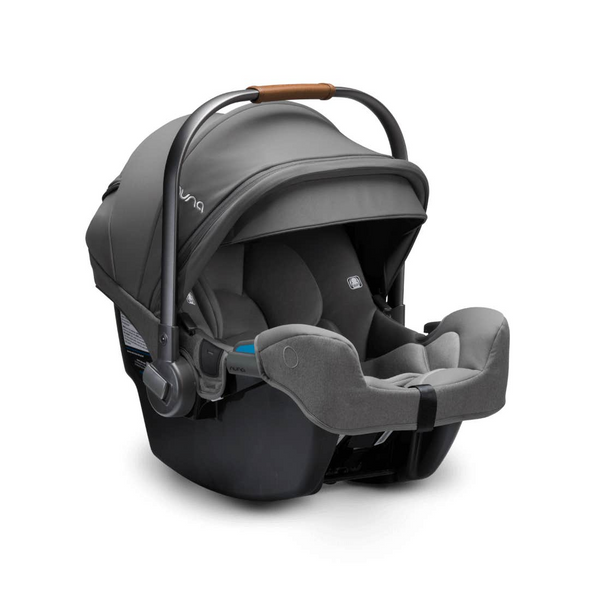
Portable infant car seat
PIPA RX Infant Car Seat + RELX Base with Rigid Latch
Rear-facing-only carrier for families who value portability and compatible stroller transfers.
View product →
Practical guidance for choosing the right baby gear for your family.
Explore the pros and trade-offs of starting with a portable infant carrier versus a newborn-approved convertible or all-in-one car seat.
Watch on YouTubeDo you actually need a portable infant car seat? Gina's educational video explores an often-overlooked choice for expectant parents: start with a rear-facing-only infant carrier or use a newborn-approved convertible or all-in-one car seat from birth.
A portable infant car seat lets you remove the carrier from a compatible vehicle base—or use an approved baseless installation—and connect it to a compatible stroller. This is convenient for errands, car-to-stroller transfers, and families who value a portable carrier. The trade-off is that a rear-facing-only infant seat will eventually be outgrown, requiring a later-stage car seat.
A convertible car seat that explicitly supports your newborn's size can be installed rear-facing from birth, then used forward-facing with a harness when the child meets the requirements and is ready. An all-in-one may add a booster stage. The seat generally remains in the vehicle; caregivers unbuckle and transfer the baby to a newborn-approved stroller seat or bassinet.
Without a portable infant car seat to attach to the stroller, you need a separate stroller configuration approved from birth. That might be a newborn-approved lay-flat seat, a compatible manufacturer-approved newborn accessory, or a bassinet. Not every reclining stroller seat is newborn-approved.
Compare newborn-ready stroller seats and bassinet options.
Follow the seat's exact newborn minimums, approved inserts, harness positions, recline indicators, and installation instructions. Never add unapproved padding or positioning products. Infant car seats are designed for vehicle travel, not routine sleep outside the vehicle; transfer a sleeping baby to a safe sleep surface when practical.
Yes. Gina emphasizes that parents can begin with a convertible car seat and later purchase a compatible infant carrier if they decide the portability would make their routine easier. The goal is an informed choice, not a universal rule.
For a closer look at seat categories, installation considerations, and everyday features, read our Car Seats 101 buying guide. If you are planning to skip an infant carrier, explore our newborn-ready stroller comparison to find a suitable stroller configuration.
Always follow the car seat and vehicle manuals for fit and installation. This article is educational and does not replace individualized child passenger safety guidance.
Rear-facing-only carrier for families who value portability and compatible stroller transfers.
View product →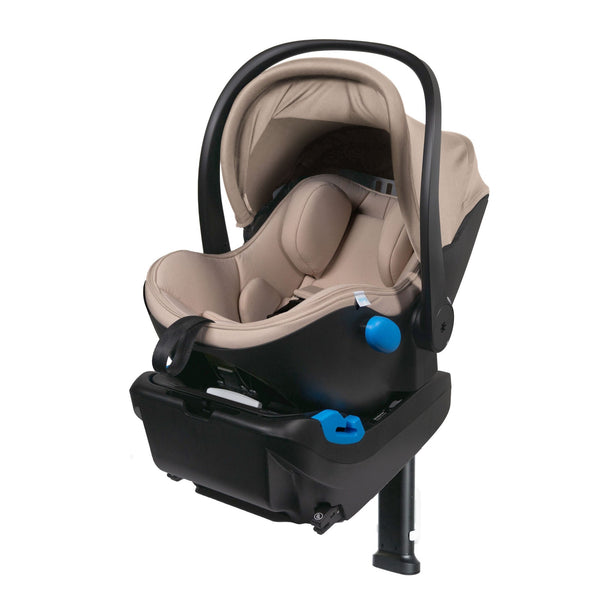
Clek Liing rear-facing infant carrier; consider compatible stroller adapters and installation options.
View product →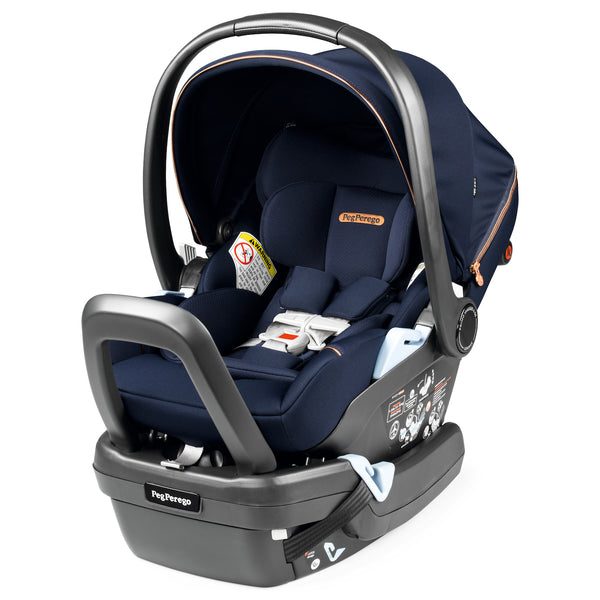
Peg Perego Primo Viaggio Lounge infant carrier; check vehicle and stroller compatibility.
View product →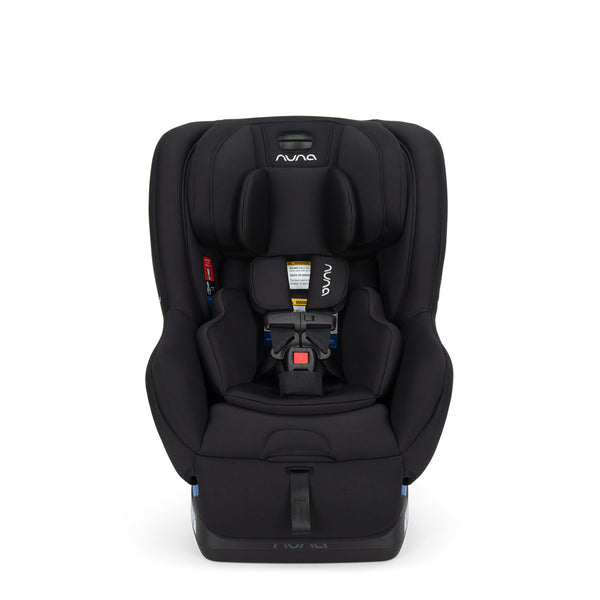
A rear-facing and forward-facing harness option; check the manufacturer's newborn fit requirements.
View product →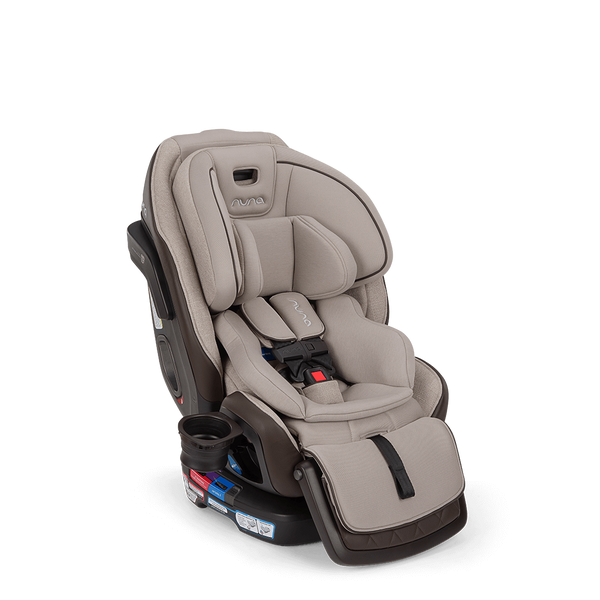
Multiple seating stages in one seat; verify newborn fit and approved configurations.
View product →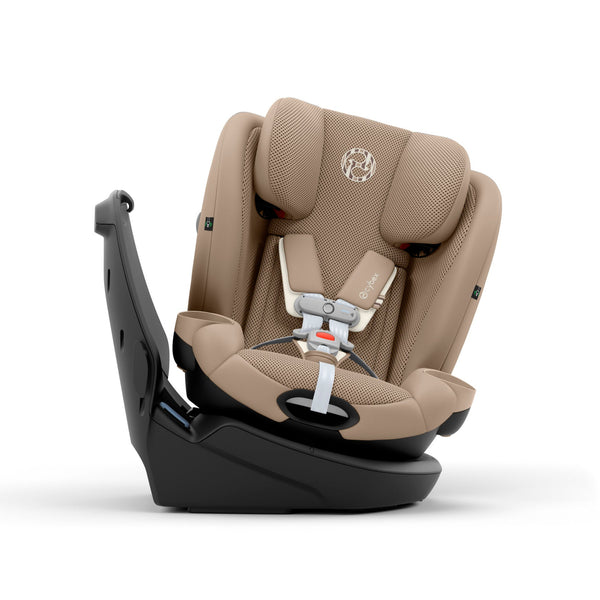
CYBEX Callisto G 360 illustrates a rotating, multi-stage alternative; verify newborn fit and installation requirements.
View product →Baby Gear Specialist · Destination Baby & Kids
Our buying guides bring together hands-on product demonstrations, side-by-side comparisons, and practical guidance to help families make informed baby gear decisions.
Explore Gina's product reviews on YouTube →Get personalized guidance from our baby gear specialists. Our in-store stroller and car seat demonstration area in Dublin, CA is available by appointment only. Book your consultation online before visiting.
Can't make it to the store? Schedule a virtual consultation and get expert guidance from wherever you are.
Explore more buying guides →