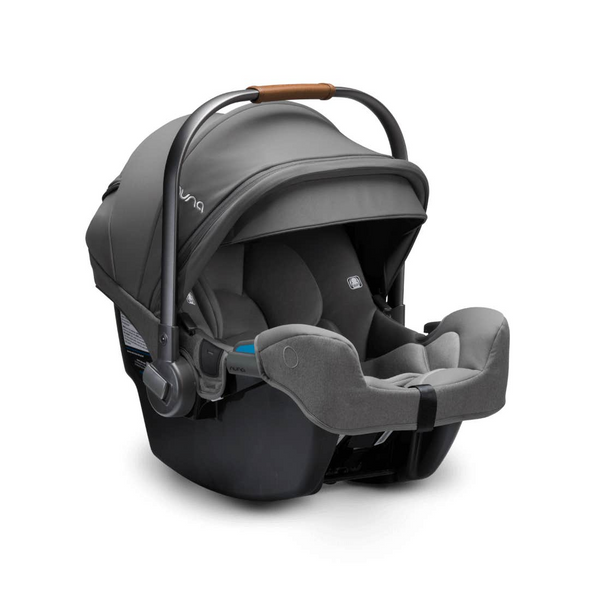
Infant seat example
PIPA RX Infant Car Seat + RELX Base with Rigid Latch
Explore the included base and rigid lower-anchor connections; verify exact model features.
View product →
Practical guidance for choosing the right baby gear for your family.
Explore load legs, anti-rebound features, rigid LATCH connectors, and other car seat safety technologies.
Watch on YouTubeCar seats can include load legs, anti-rebound bars, rigid lower-anchor connectors, and specialized energy-management structures. Gina's advanced safety features video demonstrates what these components look like and explains the questions parents should ask when comparing seats.
Extra features are not a substitute for meeting required safety standards, using the correct seat for the child, and installing it correctly. Federal requirements and testing protocols change over time, so consult current official guidance rather than relying on the testing description in an older video.
A load leg is a support that extends from a compatible car seat base or seat to an approved vehicle floor location. It is designed to help manage motion and forces in a crash. Vehicle-floor compatibility, storage compartments, support-leg indicators, and installation rules vary: consult both manuals.
These structures are designed to limit rebound motion after the initial impact. Their shape and placement vary by model; follow the manufacturer’s instructions about when and how they must be used.
Rigid lower-anchor connectors attach through a fixed structure instead of a flexible webbing strap. They can change how a seat attaches to the vehicle, but they do not remove the need to check approved seating positions, lower-anchor weight limits, and proper installation.
Some car seats use engineered components intended to manage crash forces. Manufacturers may describe these systems using proprietary names. Look for clear documentation of what the feature does rather than assuming one brand's design proves another seat unsafe.
Seat shells, headwings, foam, and other components may be designed to manage side-impact forces. Compare current manufacturer specifications and applicable standards; marketing terms alone cannot establish that one model is universally safer than another.
Gina's central recommendation is to keep children rear-facing for as long as the car seat's height, weight, and fit limits permit. The correct seat, correctly installed and used every ride, matters more than collecting the largest number of advertised features.
Read How to Choose a Car Seat.
This guide is an overview. Always refer to the car seat manual and vehicle manual for complete installation and use instructions.
Explore the included base and rigid lower-anchor connections; verify exact model features.
View product →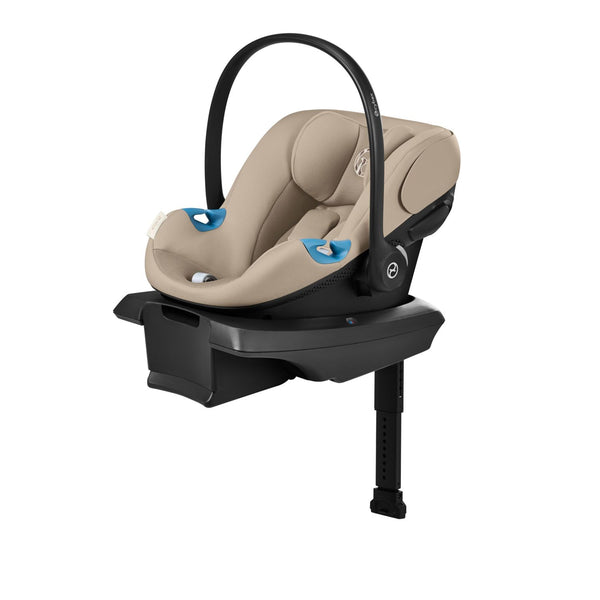
Explore an infant seat sold with a load-leg base.
View product →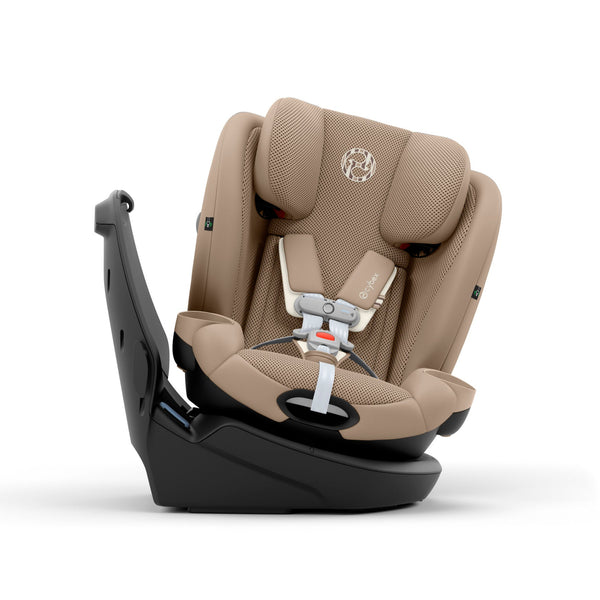
Compare manufacturer-described safety features and installation requirements.
View product →Baby Gear Specialist · Destination Baby & Kids
Our buying guides bring together hands-on product demonstrations, side-by-side comparisons, and practical guidance to help families make informed baby gear decisions.
Explore Gina's product reviews on YouTube →Get personalized guidance from our baby gear specialists. Our in-store stroller and car seat demonstration area in Dublin, CA is available by appointment only. Book your consultation online before visiting.
Can't make it to the store? Schedule a virtual consultation and get expert guidance from wherever you are.
Explore more buying guides →